
(1) By Material:Compression socks have transcended their niche as athlete or medical exclusives, emerging as high-value custom compression socks for corporate wellness kits and event swag. This guide explores their roles, customization edges, branded applications, and selection savvy—empowering businesses to leverage branded compression socks for employee health incentives for amplified loyalty and visibility.
I: Compression Socks Introduction: Definition and Core Functions
What are compression socks? Compression socks are engineered hosiery delivering calibrated pressure to legs and feet, compressing veins to facilitate venous return, alleviating swelling, fatigue, varicose veins, and more.
How do compression socks work? Via graduated compression socks technology, pressure gradients—max at ankles, tapering upward—enhance lower-limb circulation (improve circulation in compression socks). Benefits: Boosts blood flow, curbs edema (reduce swelling with compression socks), eases aches, stabilizes calves, wards varicosities, accelerates recovery. The hallmark: Graduated design propels blood heartward, easing venous strain—ideal for compression socks for prolonged standing professions like nursing or retail.
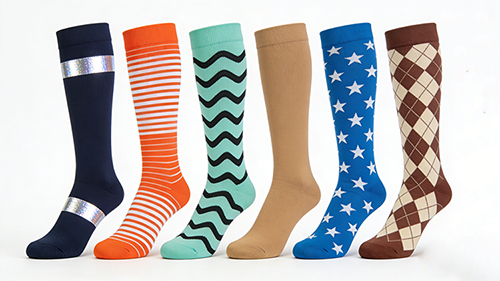
II: Compression Socks Classifications: Materials, Pressure Levels, Uses, and Designs
(1) By Material:
| Material | Pros | Cons | Highlights |
| Nylon Compression Socks | Abrasion-resistant, elastic, machine-washable | Moderate breathability; may feel snug | Superior stretch preserves shape/pressure—perfect for durable nylon compression socks for daily wear |
| Spandex/Elastane/Lycra Compression Socks | Exceptional elasticity, cozy hold | Potential post-wear laxity | Adaptive stretch fits contours—suited for spandex compression socks for active recovery |
| Cotton Compression Socks | Soft, ventilated, moisture-managing for extended donning | Limited compression/elasticity; prone to shrinkage | Plush wicking for comfort—great for cotton blend compression socks for office wellness. |
| Polyester Compression Socks | Resilient, fade-proof, easy-care. | Lesser airflow; sweat-trapping. | Wrinkle-resistant toughness—ideal for polyester compression socks for travel. |
| Copper Fiber Compression Socks (Copper Fit Style) | Circulation aid, fatigue fighter, discomfort reliever. | N/A (health-focused). | Antimicrobial copper infusion for recovery—top for copper-infused compression socks for nurses. |
(2) By Pressure Level (Graduated Compression Socks):
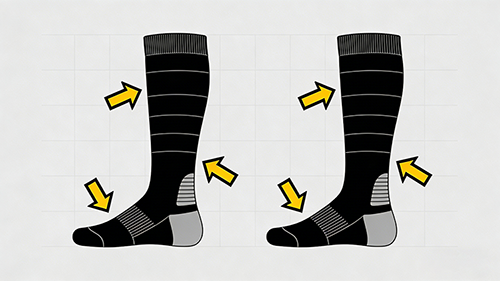
- Low-Pressure (8-15 mmHg Compression Socks): Everyday fatigue prevention; suits sedentary/standing roles.
- Mid-Pressure (15-20 mmHg Compression Socks): Mild varicosities, prenatal use, athlete cooldowns.
- High-Pressure (20-30 mmHg Compression Socks): Severe varicosities, intense recovery.
- Extra-High (30+ mmHg Compression Socks): Therapeutic post-op, DVT prevention.
(3) By Usage:
- Sports Compression Socks: Performance/recovery boosters for runs (running compression socks), cycles.
- Medical Compression Socks: Vascular health, edema relief (compression socks for swollen ankles).
- Daily Comfort Compression Socks: Work/travel edema fighters (compression socks for airplane flights).
(4) By Design:
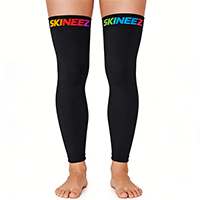
- Thigh-High Compression Socks: Full-leg envelop for extended standings (thigh high compression socks for maternity).
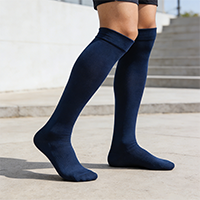
- Knee-high compression socks: Most common style, suitable for athletes or everyday wear.
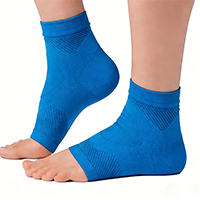
- Ankle compression socks: Support the ankle during long walks or workouts.
| Full Leg Brace Compression Socks | Below-Knee Knee Compression Stocks | Ankle Compression Socks |
|
|
|
III: Compression Socks Functions and Health Benefits: Circulation, Recovery, and Beyond
Boost Blood Flow: Directed compression streamlines venous return, slashing lower-limb pooling.
Ease Muscle Fatigue: Tailored for athletes or standers (compression socks for shin splints), hastening rebound.
Enhance Performance: Muscle girding curbs vibrations/discomfort.
Prevent Varicosities/Thrombosis: Vital for seniors/sitters (compression socks for edema), mitigating risks.
IV: Common Compression Socks Applications: Tailored Scenarios for Branded Merch
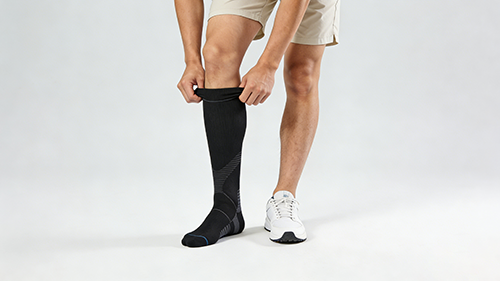
Knee-High Compression Socks: Ubiquitous for athletes/dailies (knee high compression socks for running).
Ankle Compression Socks: Walkers/movers' ankle guardians (ankle compression socks for swollen feet).
- Marathons/Cycling Events: Race kits' darlings (athletic compression socks for races)—recovery accelerators.
- Corporate Wellness Kits: Sedentary saviors (compression socks for office workers; best compression socks for nurses).
- Medical Sector (Clinics/Hospitals): Staff standers (medical compression socks for nurses; compression socks for water retention).
- Gyms/Fitness Brands: Member motivators (compression socks for gym recovery).
- Travel/Airlines: Flight edema foes (compression socks for flying; maternity compression socks).
V: Primary Application Scenarios: From Fitness to Daily Life
- Sports/Fitness: Elevate exertion, hasten heals (running compression socks).
- Office/Work: Counter desk drags (compression socks for prolonged sitting).
- Travel/Long Hauls: Thwart clots (compression socks for travel).
- Medical: Circulatory cures (compression socks for DVT prevention).
- Daily Life: Seniors/prenatals' fatigue fighters (compression socks for swollen ankles).
FAQ: Common Queries on Compression Socks for Custom Corporate Use
1:Can you sleep in compression socks?
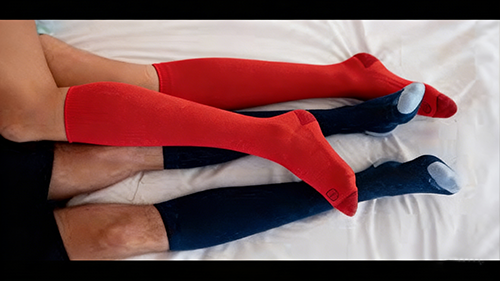
Generally no—reclining alters flow; excess squeeze risks numbness/discomfort. Daytime donning suffices for most (compression socks for nighttime use alternatives).
2:How long should you wear compression socks?
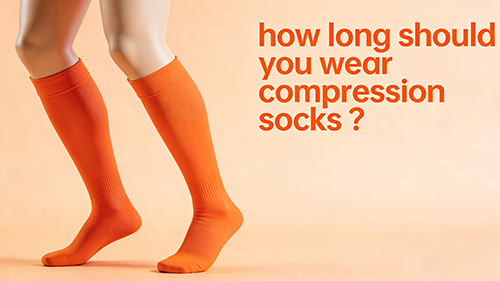
Varies: 6–8 hours for desks/standers (compression socks for 8-hour shifts); activity + 1–2 hours post (compression socks for post-workout recovery); full flights (compression socks for airplane travel).
3:How to put on compression socks? Flip cuff to ankle, toe-in, gradual pull sans wrinkles—ensure even tension (max ankle, easing calf). Aids like donners ease; pre-wash feet dry
4:Do women's compression socks (compression socks for women) differ from men's (compression socks for men)? Styling/sizing/aesthetics vary, but compression mechanics align—tailor by gender for fits (compression socks for women in maternity vs. men's athletic).
5:Where can I buy compression socks? Where to buy compression socks for custom branding? Specialty sports/health outlets, e-comps (Amazon, eBay), or promo pros like htprem for custom compression socks for corporate events. With decades in swag, we craft per designs—elevating activations or perqs.
6:What are the main benefits of compression socks?They reduce swelling, improve circulation, relieve fatigue, and can help with varicose veins.
7:Who should wear compression socks?People who stand or sit for long periods, athletes, travelers, and those with circulation concerns can benefit.
8:Are compression socks safe for everyone?Most people can wear them, but people with certain conditions (e.g., arterial disease) should consult a doctor.
9:What compression levels are available?Levels include mild (8‑15 mmHg), medium (15‑20 mmHg), and stronger medical levels (20‑30+ mmHg).
10:How do I choose the right compression level?Choose based on your needs—mild for daily comfort, 15‑20 for travel/work, higher for medical support.
11:Do I need a prescription for compression socks?Not usually for mild or medium levels, but stronger medical levels may require a doctor’s recommendation.
12:How do I know what size to buy?Measure ankle and calf circumferences and leg length, then match to a sizing chart.
13:Should I choose open toe or closed toe?It’s personal preference; open toe can be more comfortable in heat, closed toe is traditional.
14:How long should I wear them each day?Most people wear compression socks during the day and remove them at night unless advised otherwise.
15:Can I wear compression socks during travel?Yes, they help reduce leg swelling and fatigue during long flights or car rides.
16:Can compression socks help athletes?Many athletes use them to support circulation and recovery after exercise.
17:Can anyone wear compression socks?Most can, but people with certain medical conditions should consult a healthcare provider first.
18:What materials are best for compression socks?Nylon, spandex, and breathable blends balance support with comfort.
19:Can compression socks be customized for a business?Yes, companies can customize colors, logos, sizes, and compression levels to fit brand and needs.
20:How do I choose a supplier for custom compression socks?Look for experience, clear sizing guides, customization options, and quality materials support.