
In contemporary corporate marketing strategies, promotional campaigns have emerged as indispensable levers for amplifying brand visibility through giveaways, captivating prospects, and accelerating revenue. Yet, myriad enterprises overlook a pivotal facet: the promotional budget for marketing campaigns. Astute allocation isn't mere fiscal restraint—it's the bedrock for efficacious, governable, and viable initiatives. Absent precise delineations, ventures risk profligate disbursements yielding meager yields; conversely, rigorous forecasting crystallizes objectives, refines apportionments, and quantifies fiscal efficacy. In sum, the corporate promotional budget planning guide transcends ledgers—it's a tactical arsenal for valorizing brands and spurring sales amid ferocious fray.
What is a Promotional Budget? (Defining the Essentials of Branded Swag Allocation)
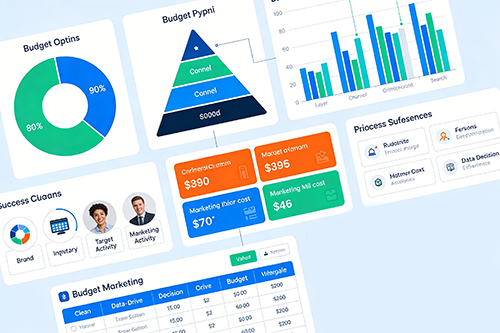
What constitutes a promotional budget? It encapsulates the aggregate fiscal blueprint earmarked for procuring, fabricating, and disseminating promotional products for brand promotion—fostering ties with clientele, unearthing leads, or galvanizing staff. SMEs often grapple: Amid straitened small business marketing budgets, how to orchestrate promotions? This discourse furnishes holistic acumen on effective promotional budgeting for enterprises, demystifying fiscal frameworks.
Pre-Budget Considerations: Six Pivotal Factors Shaping Promotional Spend
(1) Clarifying Marketing Objectives: Tailoring Allocation to Ambitions
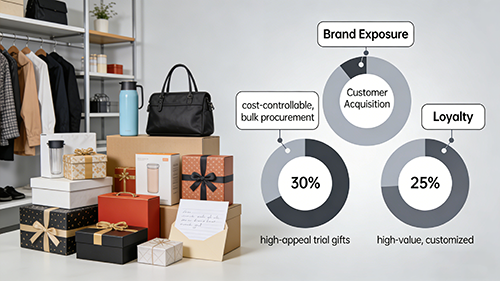
Divergent aims dictate disbursements. For brand awareness via promotional items, funnel toward high-utility, enduring swag like apparel, tumblers, or carriers—per PPAI's 2025 Mid-Year Trends & Predictions Report, where visibility-driven tactics comprised 22.5% of spends. Lead gen/conversion favors enticing trials; loyalty/retention warrants bespoke premiums, elevating gratification and fealty. Exposures prioritize economical volumes; elites upscale for customization.
(2) Gauging Audience Scale and Dissemination Modes
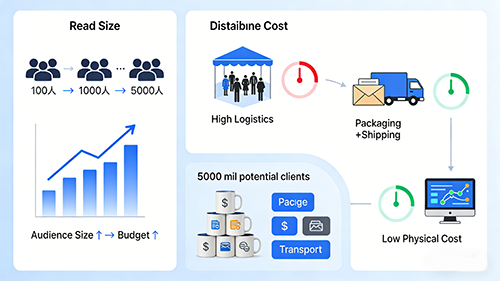
Prospect magnitude swells outlays—larger cohorts demand heftier hauls. Channels modulate: Offline galas/expos, mailings, or digitals incur disparate logistics/overheads. For 5,000 bespoke tumblers to leads, aggregate acquisition, enclosures, and vectors—ensuring promotional products distribution cost analysis aligns with reach.
(3) Selecting Product Categories and Unit Pricing
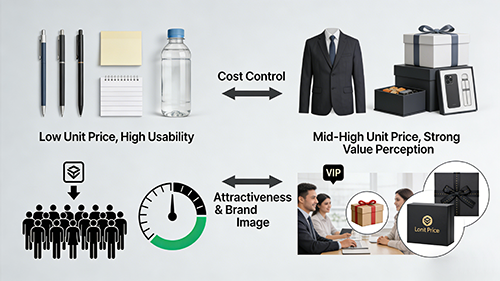
Apportion per typology and targeting: Low-ticket, recurrent staples (pens, notes, bottles) suit masses, reining low-cost high-volume promotional items; mid/high-value (apparel, gadgets) grace VIPs for perceived prestige. Equilibrium costs with magnetism, mirroring brand-aligned swag selection best practices from ASI's 2025 Counselor State of the Industry Report, noting 5% Q3 sales rebound amid value quests.
(4) Accounting for Campaign Cadence and Duration
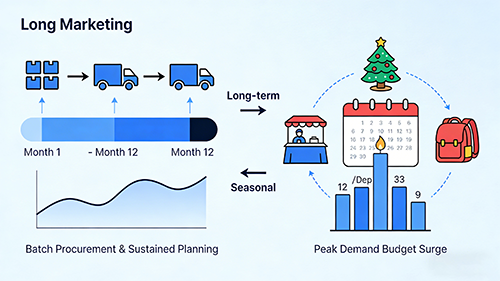
Singular vs. perennial: Perpetuals necessitate phased acquisitions and rolling ledgers; seasonal surges (holidays, expos, back-to-school) spike for peaks, per Improvado's 2025 Marketing Budget Allocation Guide advocating 10-15% contingencies for flux.
(5) Buffering for Unforeseen Expenditures
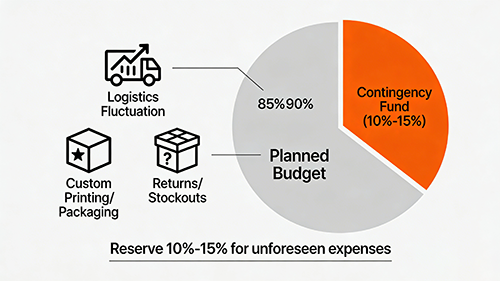
Logistics volatilities, imprint surcharges, or stock hiccups warrant 10-15% cushions—mitigating promotional budgeting contingency planning for unforeseen fiscal flares.
(6) Quantifying Return on Investment (ROI)
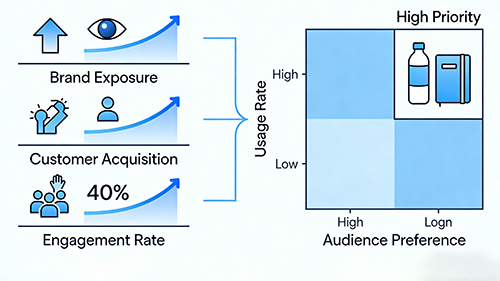
Benchmark against projections: Exposures, acquisitions, engagements. Favor recurrent, beloved assets for amplified promotional products ROI calculation, ensuring maximal fiscal fruition.
Why Promotional Budgets Matter: Unlocking Strategic Advantages
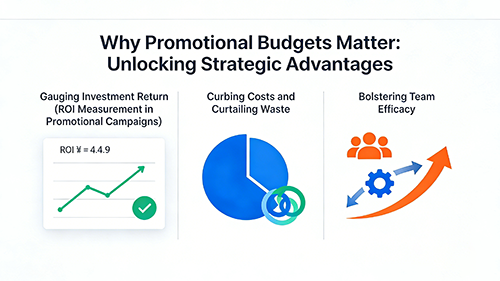
(1) Gauging Investment Return (ROI Measurement in Promotional Campaigns) ROI scrutiny is sacrosanct—budgets enable expenditure-result linkages, appraising tactics for sagacious futures, as in Investopedia's Promotional Budget Dynamics, tying spends to growth trajectories.
(2) Curbing Costs and Curtailing Waste Unfettered campaigns breed excesses; caps delineate thresholds, streamlining disbursements.
(3) Bolstering Team Efficacy Defined confines illuminate constraints/priorities, curbing caprice for streamlined execution.
In corporate promotional budgeting frameworks, fiscal prudence catalyzes precision—blueprinting activations, apportioning assets, and amplifying yields. Scientific scaffolds avert aimlessness or redundancies, furnishing efficacy yardsticks for iterative refinement. For contenders craving preeminence, judicious promotional budget optimization for SMEs is the inaugural stride toward amplified vigor, valor, and victories.
FAQ:
1. How does my promotional budget impact my overall marketing strategy?
Your promotional budget plays a key role in achieving marketing goals by ensuring that promotional products align with your brand, attract the right audience, and enhance visibility.
2. What is the best way to allocate my promotional budget across different marketing channels?
It's important to balance your promotional budget between various channels such as giveaways, digital campaigns, and events. Focus on high-impact areas that align with your target audience and marketing objectives.
3. How can I measure the ROI of my promotional budget?
You can track ROI by measuring customer engagement, brand recall, and conversion rates after distributing promotional products. Keep detailed records to assess the impact of your budget on sales and brand exposure.
4. How can I ensure my promotional gifts align with my brand's identity within my budget?
Choose products that reflect your brand's values and appeal to your target market. Focus on customization options that enhance brand recognition without exceeding your budget.
5. Should I prioritize quantity or quality when setting my promotional budget?
It depends on your campaign goals. If your aim is broad exposure, prioritize quantity. For a more targeted approach, focus on quality, ensuring that the promotional products leave a lasting impression.
6. How do I control costs while maximizing the impact of promotional gifts?
Focus on high-use, cost-effective items, simplify customization, and order in bulk to lower per-unit costs. Monitor all hidden costs, such as shipping and taxes, to keep the campaign within budget.
7. Can I adjust my promotional budget for different types of events?
Yes, adjust your budget based on the event’s scale and target audience. For large events, a higher budget may be required for mass giveaways, while smaller events can benefit from more personalized gifts within a limited budget.
8. How can I prioritize my promotional spending to achieve the most effective results?
Prioritize spending on items with a high likelihood of engagement and long-term visibility, such as useful office items or apparel. These items are cost-effective and provide lasting brand exposure.
9. How can I track spending on promotional products to ensure I stay within budget?
Implement a tracking system that includes all expenses—product costs, shipping, customization, and packaging. Regularly review your expenses to ensure they align with your initial budget.
10. How do I decide on the right balance between promotional gifts and other marketing efforts?
Consider your target audience and the marketing channel that yields the best results. For example, if brand awareness is the goal, allocate more budget toward promotional products; if direct sales are the focus, adjust your budget accordingly for digital or direct marketing efforts.